
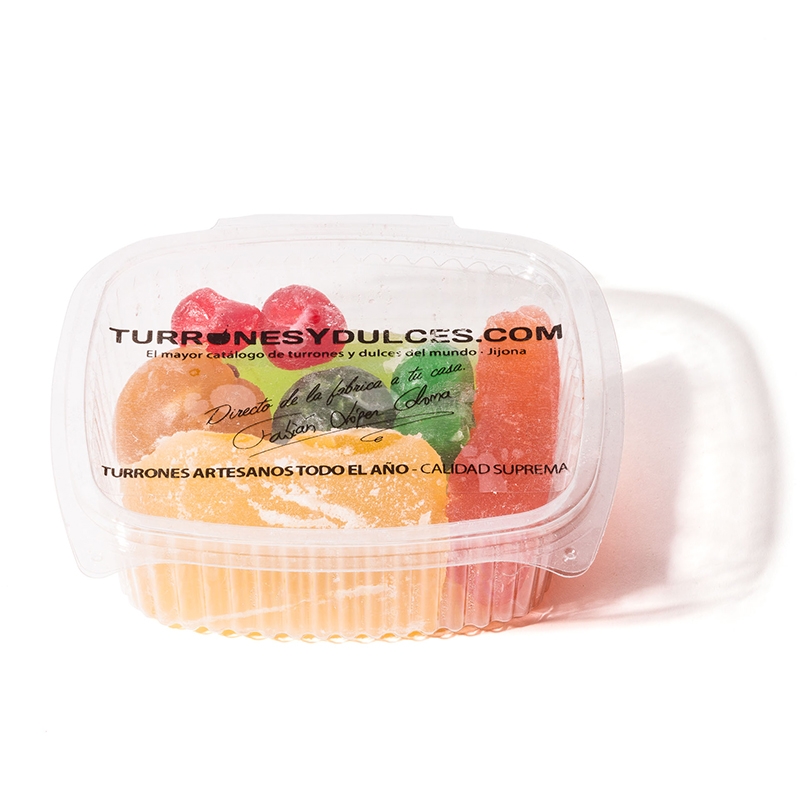
Candied fruit, glacé fruit and crystallised fruit are common in Spanish Christmas cakes, fruit nougat and confectionery. They are related but not always identical: the main difference is the sugar-preserving process and the finish applied to the fruit. Spain’s famous Frutas de Aragón take this tradition a step further by coating candied fruit in chocolate.
Índice de Contenidos
- 1 What is candied fruit?
- 2 What is glacé fruit?
- 3 What is crystallised fruit?
- 4 Which fruit decorates the Roscón de Reyes?
- 5 How to candy fruit step by step
- 6 What are Frutas de Aragón?
- 7 Candied fruit dipped in chocolate
- 8 Uses in bakery and hospitality
- 9 How to store candied fruit
- 10 Videos: how candied fruit and fruit nougat are made
- 11 Frequently asked questions
What is candied fruit?
To candy fruit, fresh pieces or peels are immersed in sugar syrups, often of increasing concentration, over time. Some of their water is replaced by sugar, improving preservation and creating a sweet, tender texture. Citrus peels, cherries, pumpkin, pear, melon and other fruits may be used.
What is glacé fruit?
Glacé fruit is candied fruit finished with a smooth, shiny sugar glaze. The surface looks glossy rather than covered in large sugar crystals. It is used in Christmas assortments, cakes and pastry decorations.
What is crystallised fruit?
Crystallised fruit typically has a more visible sugar-crystal finish on the surface. Naming conventions vary between countries and producers, and in Spanish confectionery the terms escarchada and glaseada are sometimes used loosely. When choosing an ingredient, look at the finish and texture rather than relying only on its name.
Which fruit decorates the Roscón de Reyes?
The Spanish Three Kings cake often includes strips of colourful candied or glacé fruit, although the precise pieces depend on the bakery. Candied orange peel, cherries and other sugar-preserved fruits provide colour and sweetness.
How to candy fruit step by step
First select clean, sound fruit and prepare it by peeling, slicing or blanching as appropriate. Then immerse the pieces in a light syrup. Over subsequent stages, gradually increase the syrup concentration so the fruit absorbs sugar without collapsing. Drain the pieces and let them dry. For a glacé finish, apply a shiny sugar glaze; for a crystallised finish, encourage visible sugar crystals to form. Work hygienically and follow a tested recipe, because sugar concentration and storage conditions are crucial.
What are Frutas de Aragón?
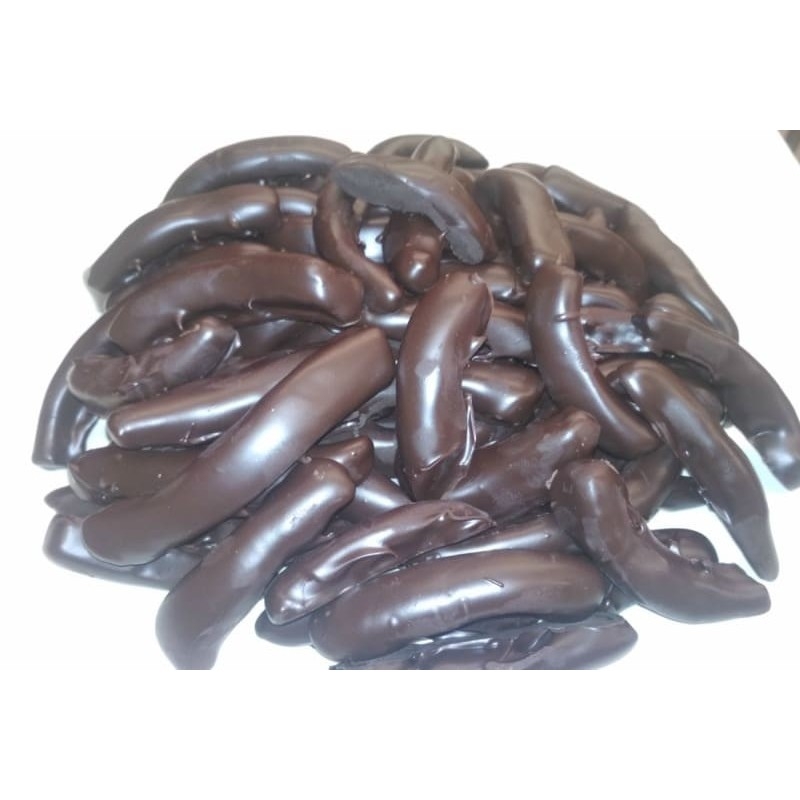
Frutas de Aragón are a traditional sweet from the Spanish region of Aragón, typically consisting of pieces of candied fruit coated in chocolate. The contrast between a juicy, sweet fruit interior and a crisp chocolate exterior makes them popular as gifts and after-dinner sweets.
Candied fruit dipped in chocolate
Orange peel strips covered in dark chocolate are a familiar example. Mandarin, lemon and other fruits can be used when properly candied and dried. The fruit should not be excessively wet when coated, as moisture can spoil the chocolate finish.
Uses in bakery and hospitality
Candied fruit is used in Roscón de Reyes, fruit nougat, cakes, brioche, pastries and confectionery displays. Chocolate-coated fruit works particularly well in gift assortments and hotel welcome trays.
How to store candied fruit
Follow the producer’s label. Keep the fruit in an appropriate closed container away from excess moisture, heat and contamination. Chocolate-coated pieces should also be protected from strong temperature fluctuations and direct sunlight.
Videos: how candied fruit and fruit nougat are made
Frequently asked questions
Is glacé fruit the same as crystallised fruit?
Not always. Glacé usually emphasises a shiny glaze; crystallised fruit has more visible sugar crystals, although labels vary by region.
Does candied fruit contain added sugar?
Yes. Sugar is integral to the traditional preservation process.
Is candied fruit the same as dried fruit?
No. Drying removes moisture; candying incorporates sugar syrup into the fruit.
Discover traditional Spanish candied fruit and confectionery.