
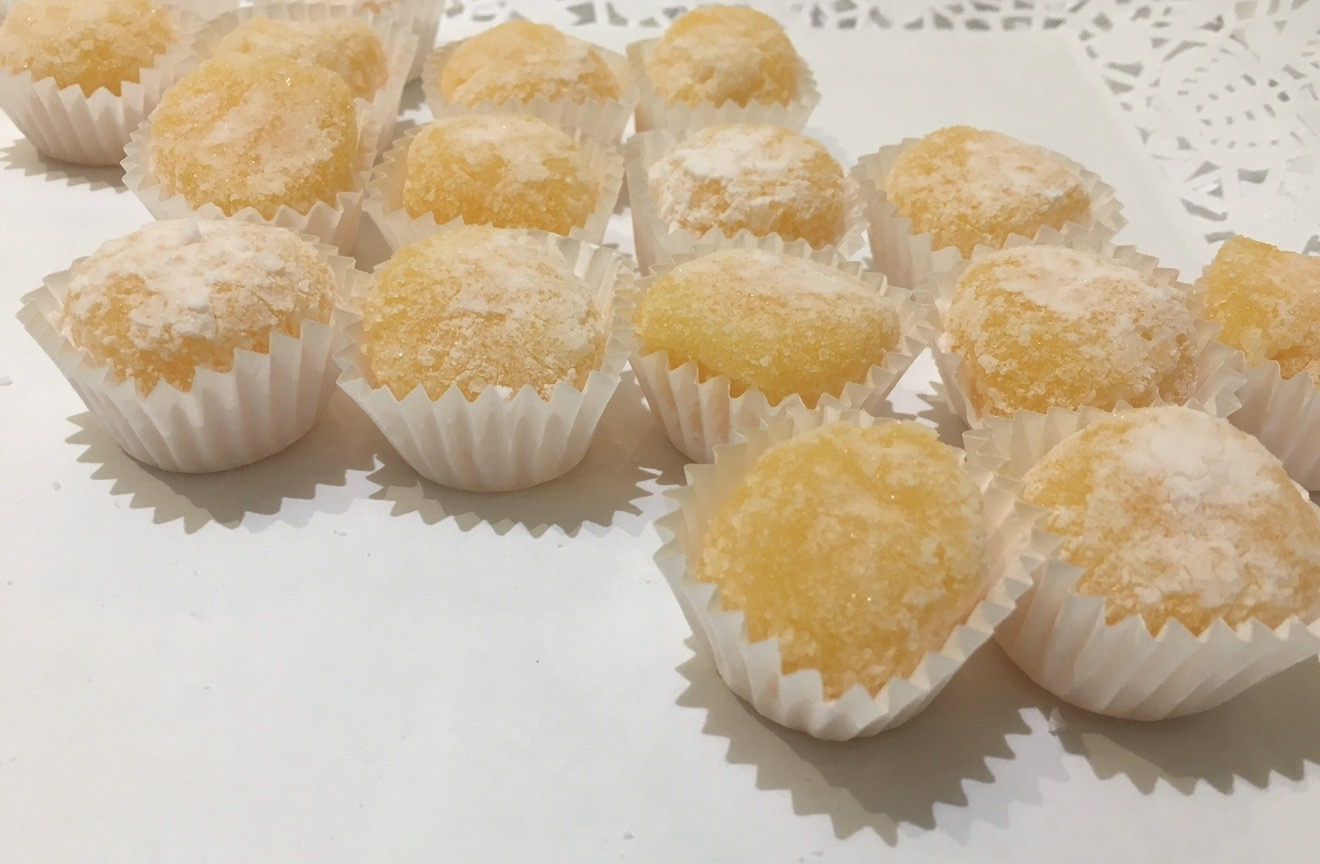
Yemas de Ávila are small, golden, egg-yolk sweets made with sugar and presented in individual paper cases. Their delicate texture and intense yolk flavour have made them a symbol of the walled Castilian city of Ávila. During a visit, we photographed the confectionery shop windows and the sweets displayed there; those original images accompany this guide.
Índice de Contenidos
- 1 What are Yemas de Ávila?
- 2 A confectionery tradition documented since the nineteenth century
- 3 Were yemas invented in a convent?
- 4 Why are they an emblem of Ávila?
- 5 How are traditional yemas made?
- 6 Our visit to Ávila: the shops and their displays
- 7 Where to buy Yemas de Ávila
- 8 Yemas de Ávila versus almond marzipan yemitas
- 9 Other egg-yolk pastries in Spain
- 10 Buying and storing yemas
- 11 Why the distinction matters
- 12 Frequently asked questions
What are Yemas de Ávila?
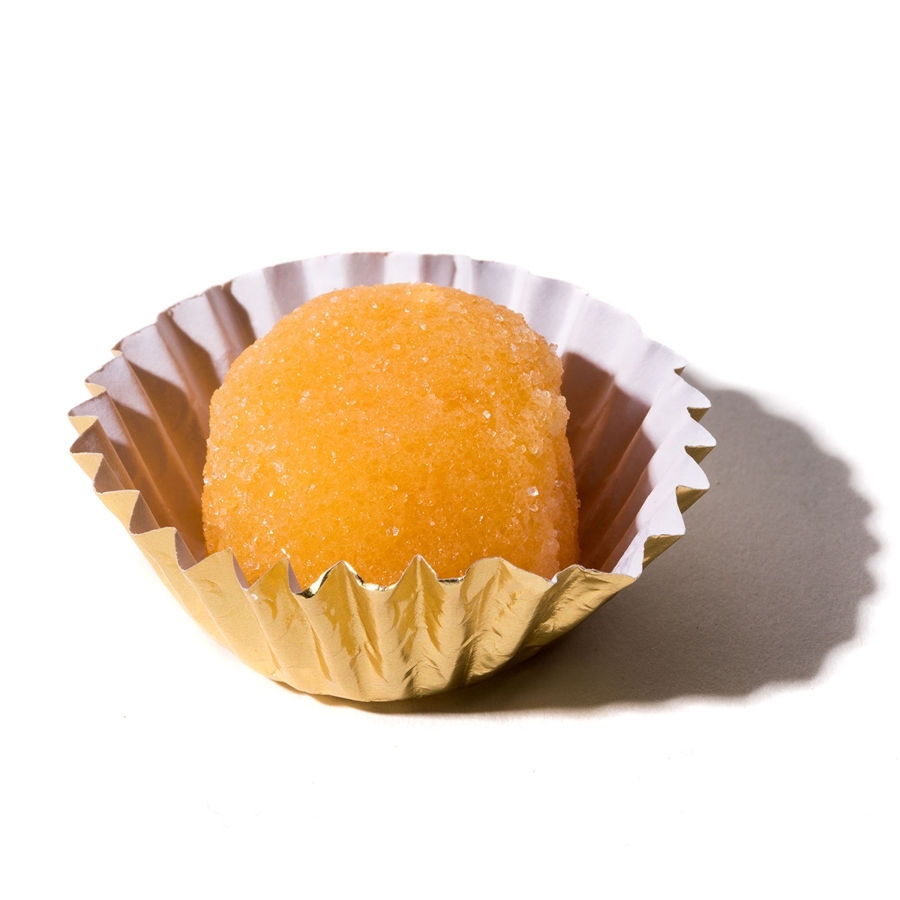
Traditional yemas are prepared by cooking egg yolks with sugar syrup to a thick, mouldable paste, then forming small round pieces and coating them lightly with sugar. Some makers add a hint of lemon, but yolks and sugar define the simplest preparation. They are sold in boxes and enjoyed as a gift or with coffee.
A confectionery tradition documented since the nineteenth century
Local accounts trace the commercial popularity of these sweets to 1860 and the confectioner Isabelo Sánchez, associated with an early business called La Dulce Avilesa and the later historic La Flor de Castilla. The broader practice of making egg-yolk sweets is older and cannot be attributed conclusively to one inventor.
Were yemas invented in a convent?
Spanish convents have a long history of egg-and-sugar confectionery, and Ávila’s religious heritage often encourages that association. However, there is no conclusive documentary proof that the specific commercial Yemas de Ávila recipe was invented in one particular convent. The nineteenth-century commercial tradition is better documented.
Why are they an emblem of Ávila?
Visitors encounter them in pastry shops and gift stores around the old city, often near the historic walls, squares and central shopping streets. Small boxed sweets are easy to carry home, and repeated generations of confectioners have kept the tradition visible.
How are traditional yemas made?
The yolks are separated and strained, then carefully mixed with a cooked sugar syrup. The mixture is stirred gently over heat until thick enough to shape after cooling. Small portions are rolled into balls and finished with sugar. Managing temperature and moisture is important to avoid scrambling the eggs or producing a grainy texture.
Our visit to Ávila: the shops and their displays
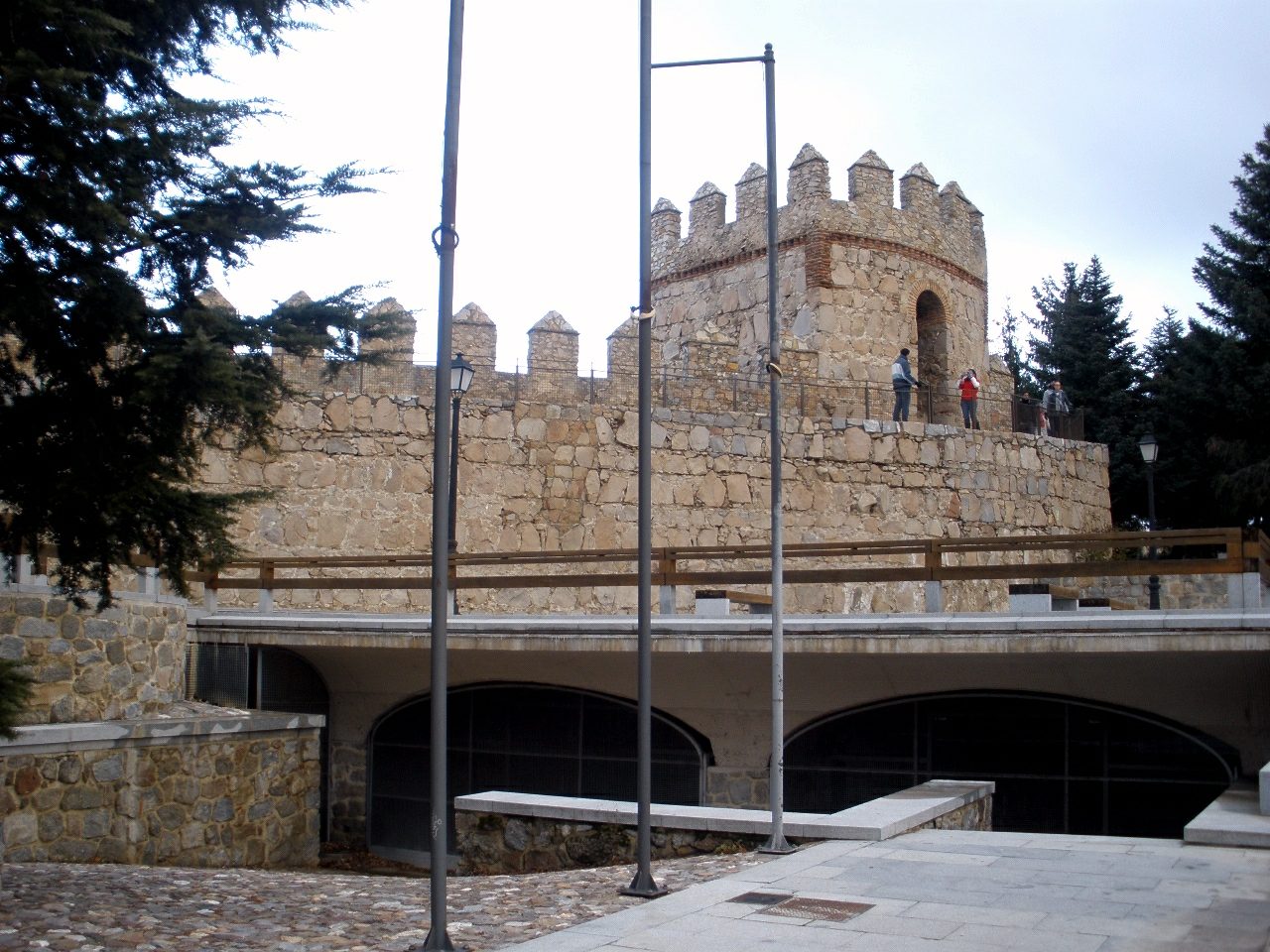
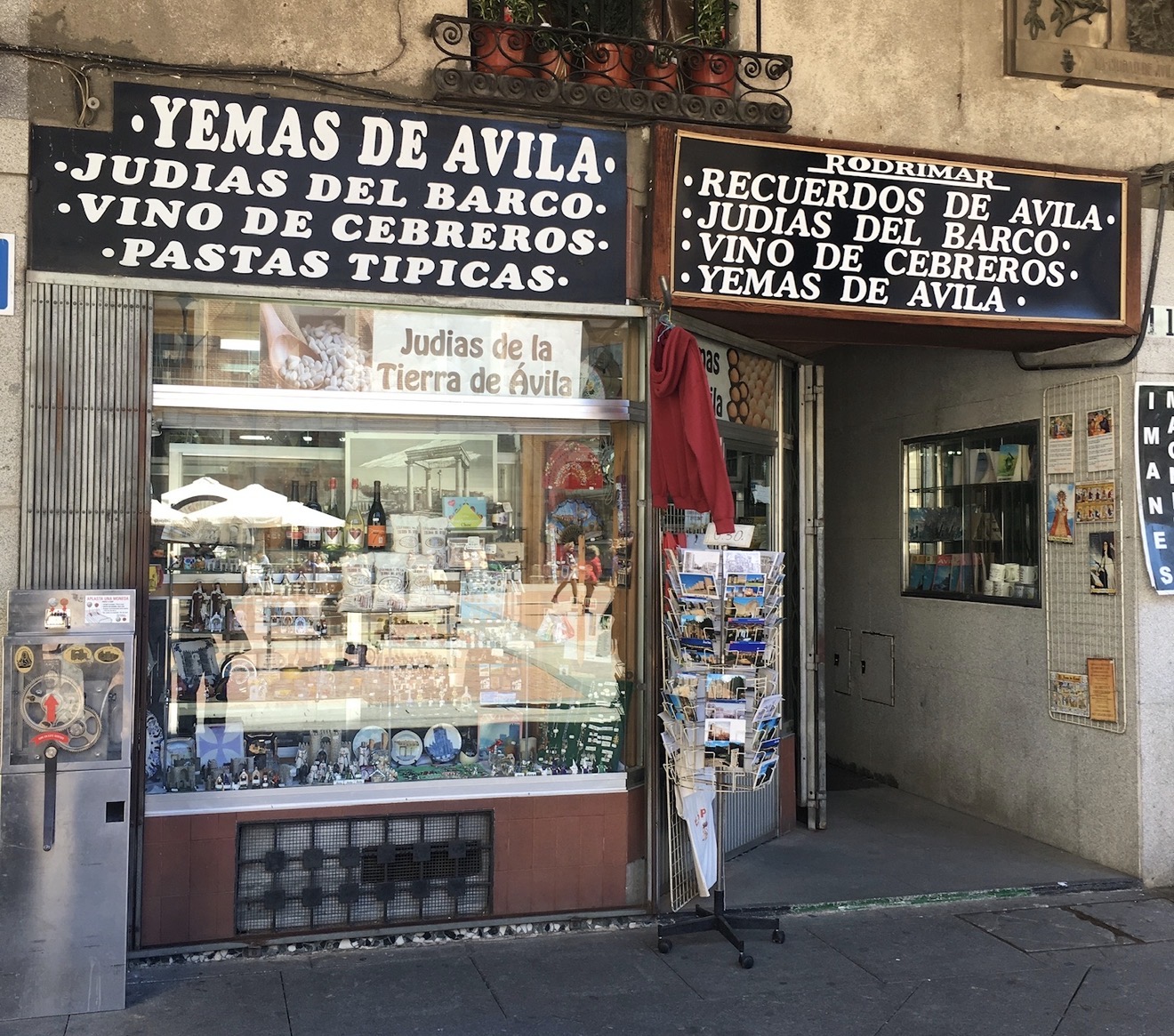
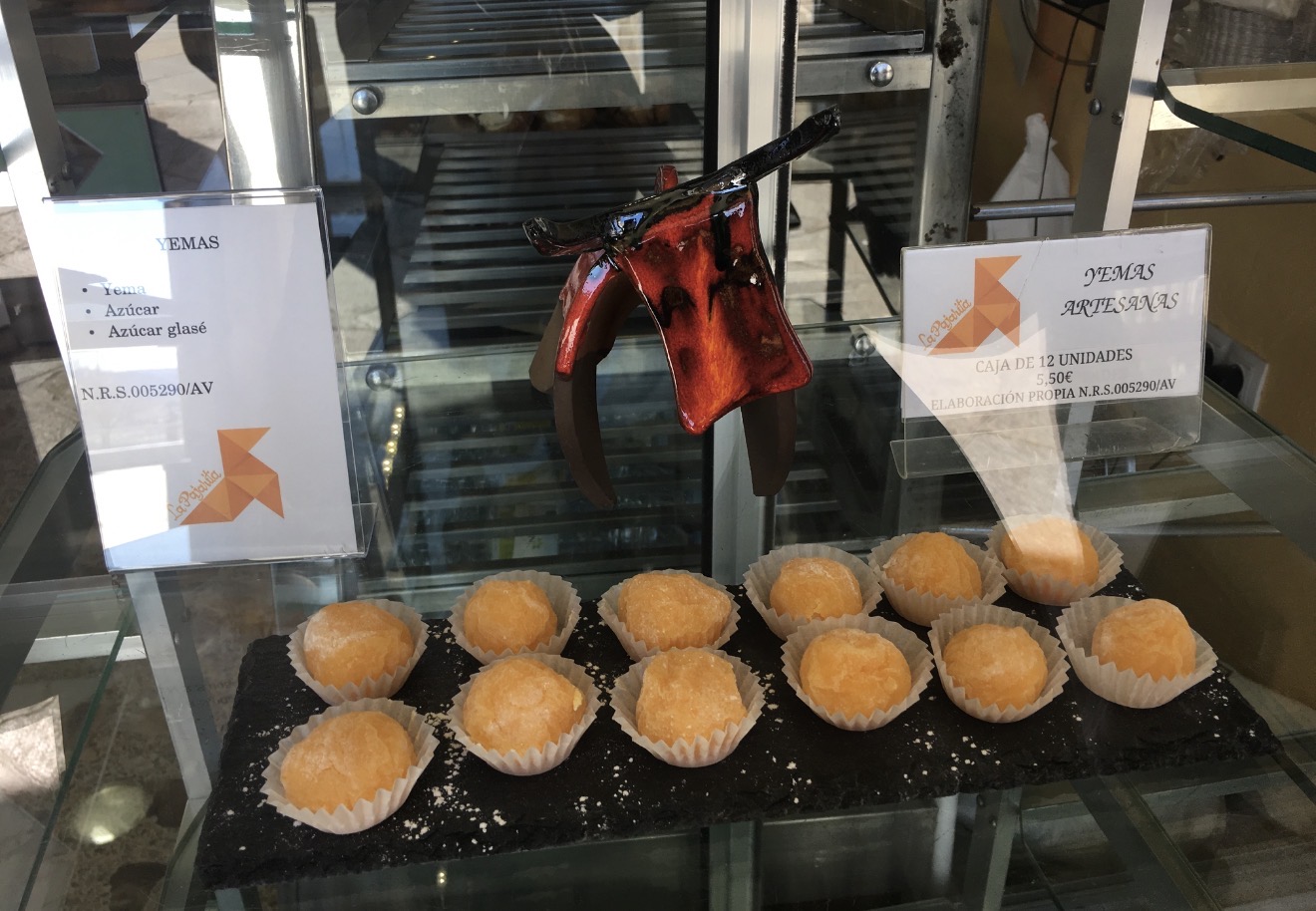
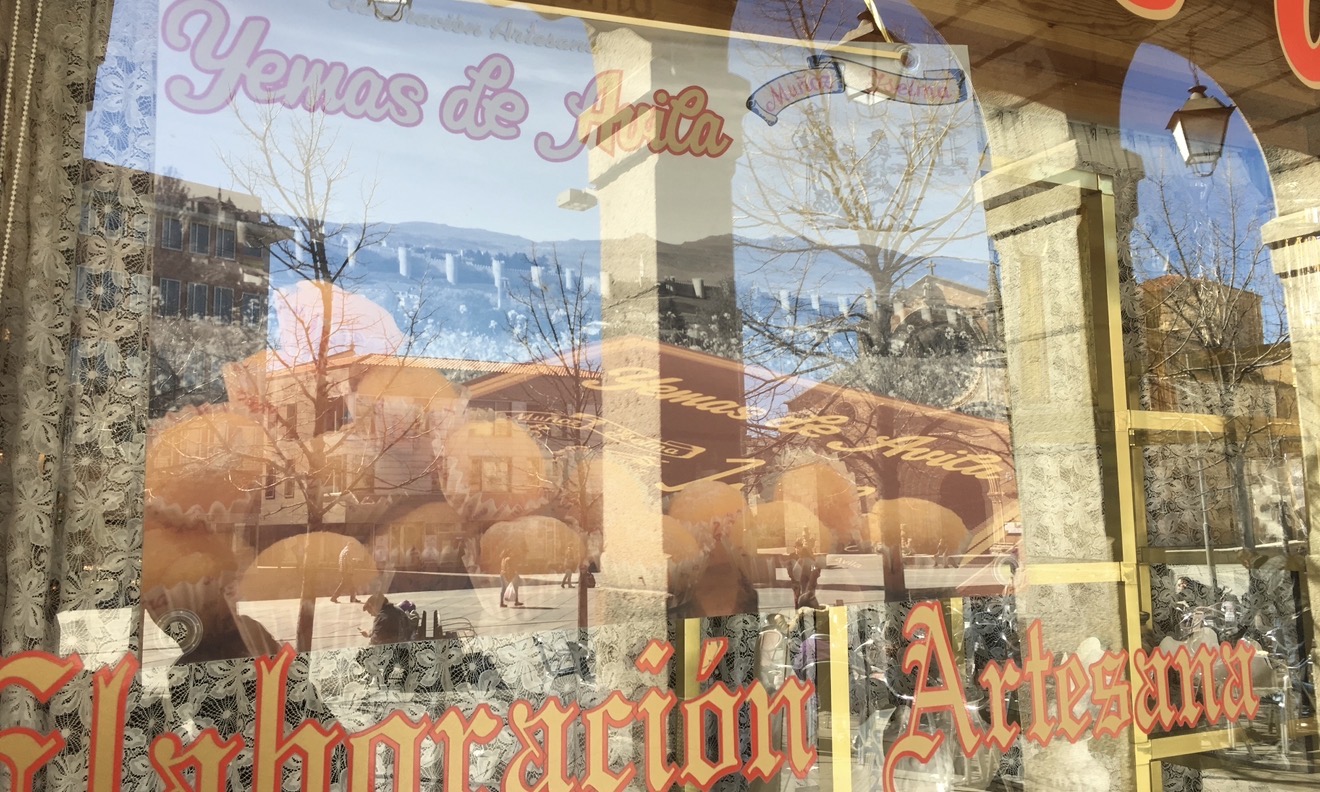
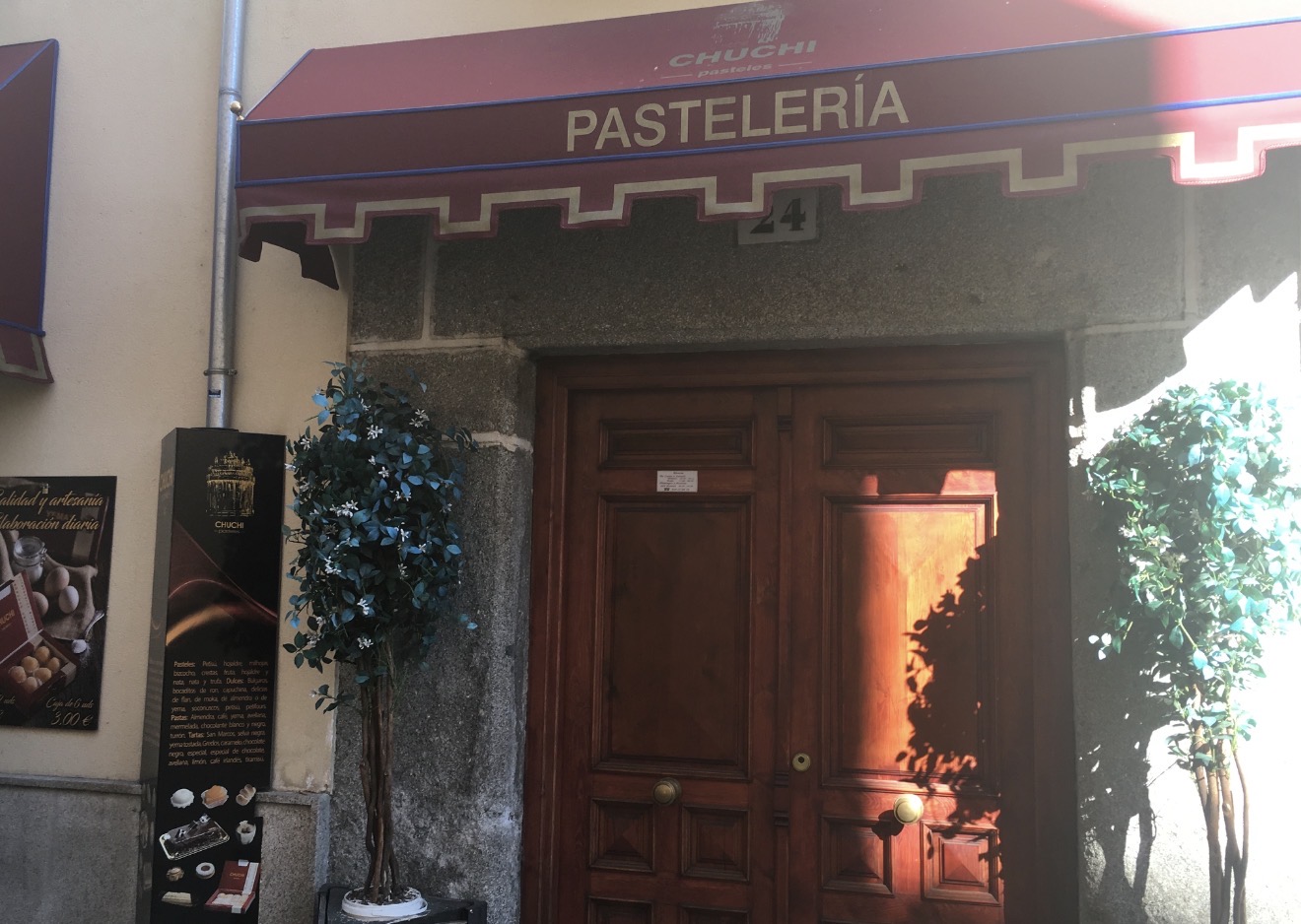
Our photographs show the city walls, a Rodimar shop announcing the local yemas, trays of confectionery in paper cases and a pastry-shop frontage identified as Chuchi. The images record what we saw during our visit; they should not be taken as a guarantee of current stock, prices or opening hours.
Where to buy Yemas de Ávila
Ávila has a number of pastry shops selling traditional yemas. The historic La Flor de Castilla is associated with the early commercial story, while Muñoz Iselma is another established confectionery business. When visiting, check current opening times, pack sizes, freshness information and ingredients directly.
Yemas de Ávila versus almond marzipan yemitas
The classic Ávila sweet is based on cooked egg yolks and sugar. Other Spanish products called yemitas can include an almond-marzipan base with a confectionery coating. Our own artisanal marzipan yemitas from Jijona are a different sweet, not a claim to be the same as the Ávila specialty.
Other egg-yolk pastries in Spain
Spain also has tocino de cielo, egg-yolk fillings for Huesos de Santo, and almond confectionery incorporating egg yolk. They use related ingredients but differ in cooking method, texture and presentation.
Buying and storing yemas
Read the specific maker’s storage instructions. Egg-based sweets need careful handling, and home-made recipes generally require refrigeration. Check allergens: traditional Yemas de Ávila contain egg; marzipan variations may additionally contain almonds.
Why the distinction matters
Regional confectionery is best understood through its real makers, documented history and recipes. Calling every small yellow sweet a Yema de Ávila obscures the differences in ingredients and cultural origins.
Frequently asked questions
Do traditional Yemas de Ávila contain almonds?
The simplest egg-yolk-and-sugar recipe does not, but always check a specific shop’s ingredients and cross-contact warnings.
Are they baked?
The traditional dough is cooked gently with sugar syrup; the sweets are not necessarily baked in an oven.
Are they the same as tocino de cielo?
No. Tocino de cielo is a set egg-yolk dessert with a different texture and cooking technique.
Can I make them at home?
Yes, with a tested recipe and safe egg cooking and refrigeration.