
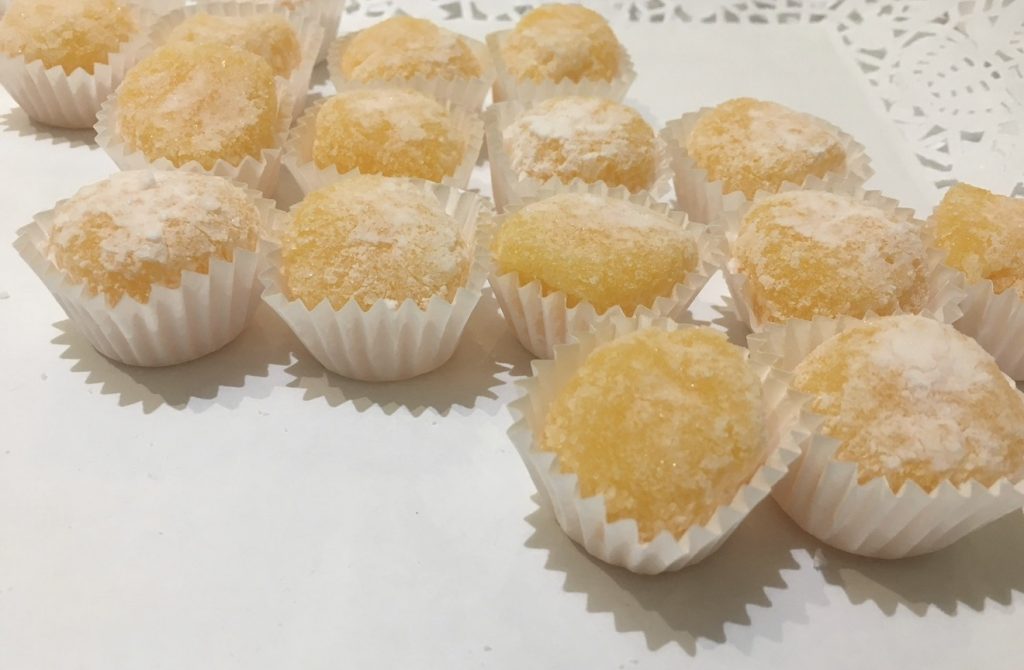
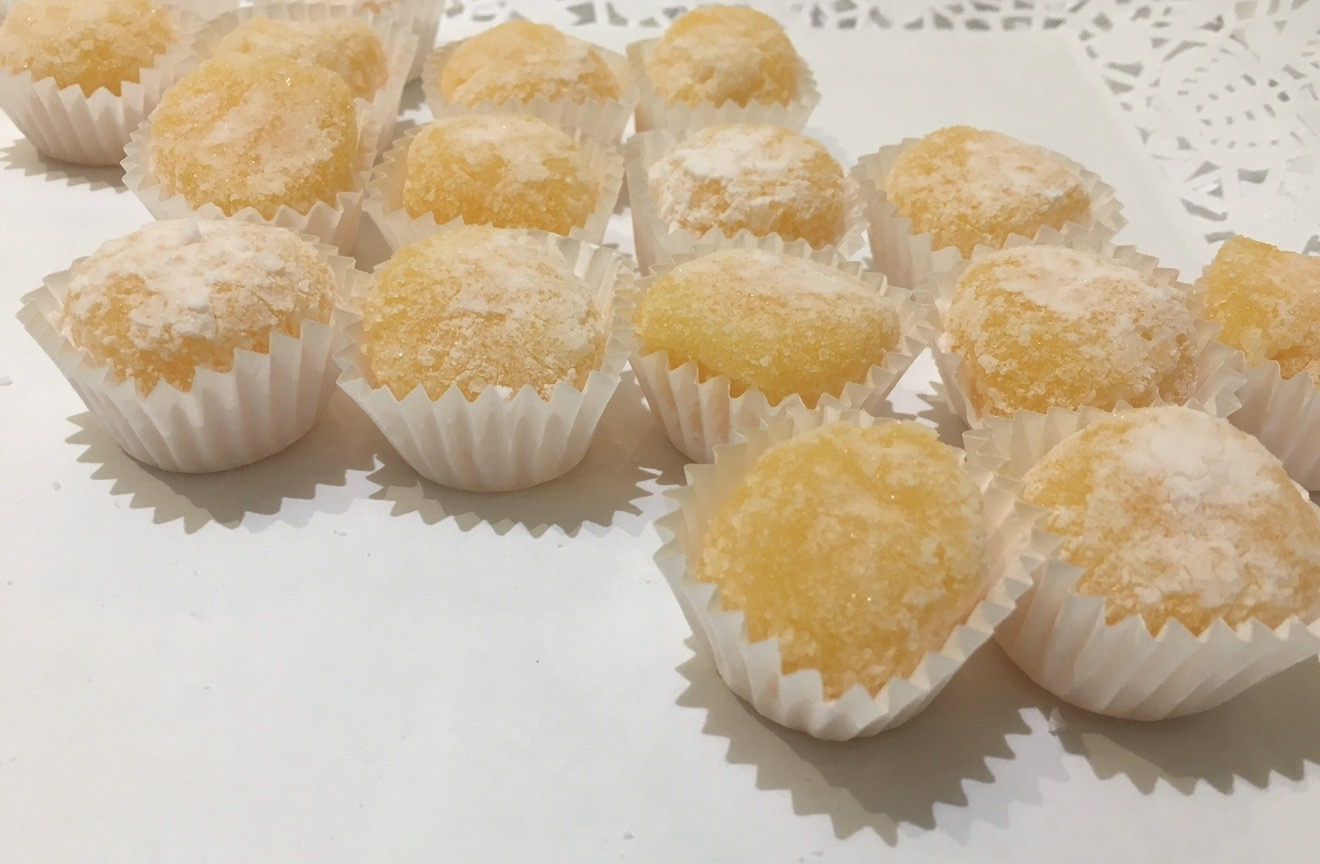
Yemas de Ávila are one of the signature sweets of the Spanish walled city of Ávila. These small, tender yellow balls are made with cooked egg yolks, sugar syrup and a dusting of icing sugar. This recipe makes approximately 12 pieces. It is a home adaptation of a regional confectionery method, not a claimed copy of any bakery's proprietary recipe.
Ingredients
Method
Separate and strain the eight yolks through a fine sieve.
Heat 120 g sugar with 60 ml water to approximately 105°C; remove any lemon peel.
Pour the warm syrup into the yolks in a thin stream while stirring constantly.
Cook gently while stirring for 20–40 minutes until thick and mouldable. Ensure all egg reaches at least 75°C.
Cover and refrigerate the paste for at least four hours.
With clean, lightly oiled hands, roll into about 12 small balls.
Dust with 30 g icing sugar, place in paper cases and refrigerate. Eat within 2–3 days.
Recipe at a glance
Makes approximately 12 individual sweets. Preparation: 25 minutes. Cooking: around 35 minutes. Chilling: at least four hours. No oven required. Medium difficulty: controlling the egg-yolk cooking stage is the key.
What are Yemas de Ávila?
These are traditional egg-yolk-and-sugar sweets associated with Ávila. They should not be confused with almond-marzipan yemitas made elsewhere in Spain: classic Yemas de Ávila do not require almonds in their simplest formulation.
How to avoid grainy egg yolks
Add the syrup gradually and do not raise the heat too much. Constant stirring helps the yolks thicken without scrambling. A heavy-bottomed pan and suitable thermometer are helpful.
Why is the paste too soft to roll?
Insufficient cooking or chilling can leave excess moisture. The mixture should be thick, properly cooked and firm after chilling. Do not compensate for undercooking by adding large quantities of icing sugar.
Storage and food safety
Because this sweet is based on egg yolks, cook the mixture thoroughly, cool it promptly and keep it refrigerated. The source recipe suggests consumption within two to three days; do not leave home-made pieces at room temperature for prolonged periods.
History and confectionery shops of Ávila
For the historical background and photographs from our visit to Ávila, see the separate article about the city's confectionery tradition.
Read the history of Yemas de Ávila.