
Almond flour is popular in low-carbohydrate and ketogenic baking because it provides considerably less digestible carbohydrate than many wheat flours, together with natural almond oils, fibre and protein. It is not a weight-loss treatment or a guarantee of ketosis: the overall diet, serving sizes and product label still matter.
Índice de Contenidos
What is almond flour?
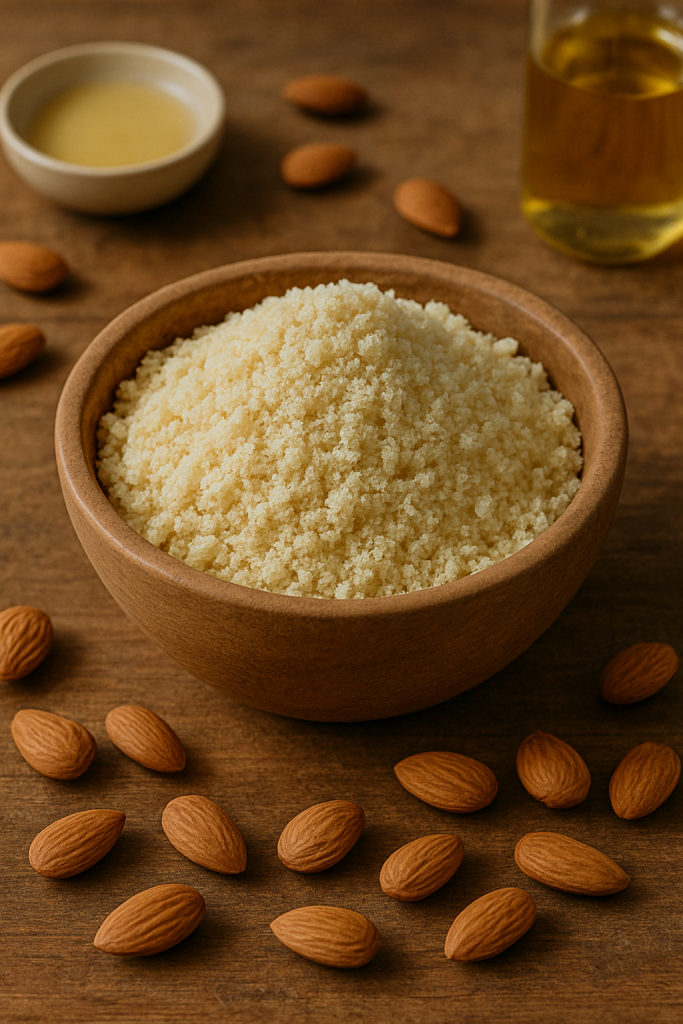
Almond flour is made by grinding almonds. Some versions use blanched almonds without skin, while almond meal may use whole almonds with skin and a coarser grind. Defatted almond flour is another distinct product. Compare the actual ingredients and nutritional panel.
Why do keto recipes use almond flour?
It has a different carbohydrate and fat profile from wheat flour. It can be useful in breads, cakes, biscuits and coatings prepared with a specifically tested low-carbohydrate recipe. It cannot always replace wheat flour one-for-one because it lacks gluten and absorbs liquid differently.
How many carbohydrates does it contain?
Values vary by product and whether its nutrition panel includes fibre within or separately from carbohydrates. In EU labelling, carbohydrates usually exclude fibre, so do not automatically subtract fibre again. Weigh your portion and consult the specific pack instead of relying on a universal ‘net carbs’ number.
Almond flour and ground almonds
Finely milled, peeled almonds often give a lighter-coloured, smoother crumb. Almonds ground with their skin may create a darker, more rustic result. Both may work in baking, but moisture, grind and oil content affect the final texture.
Ideas for keto-friendly baking
Try almond-flour bread rolls with suitable binding ingredients, small chocolate cookies using an appropriate sweetener, a lemon cake, savoury coatings for fish or chicken and muffins formulated for almond flour. Check the complete recipe, because added sugar or other flours can change carbohydrate values.
Nutrition and allergens
Almond flour contains unsaturated fats, protein, fibre, vitamin E and minerals. It is also energy-dense and unsuitable for people with almond allergy. Almond flour is naturally gluten-free as an ingredient, but production cross-contact must be checked when cooking for people with coeliac disease.
Storage and freshness
Keep flour airtight, cool and dry; refrigerate or freeze for longer storage when recommended. Ground almonds can become rancid due to their natural oils. Discard flour with an abnormal or rancid smell.
Where to buy almond flour
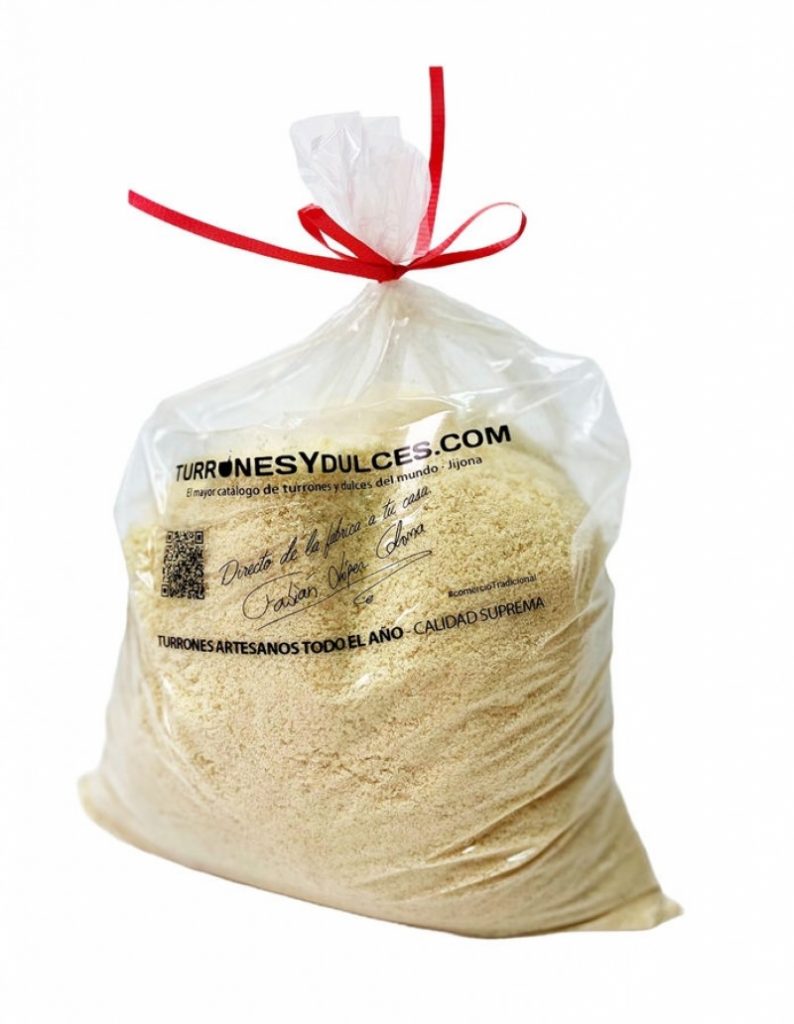
Compare Spanish almond origin, skin-on or blanched processing, grind, nutritional label, allergens, package size and actual availability. For professional pastry kitchens, kilogram packs can be practical, but check the current product listing.
Frequently asked questions
Does almond flour automatically make a dish ketogenic?
No. Other ingredients, the amount eaten and the overall dietary pattern determine the carbohydrate intake.
Can I replace all wheat flour with almond flour?
Not in every recipe. Use a tested almond-flour formulation.
Is almond flour calorie-free or a weight-loss product?
No. It is rich in natural fats and contributes significant calories.