
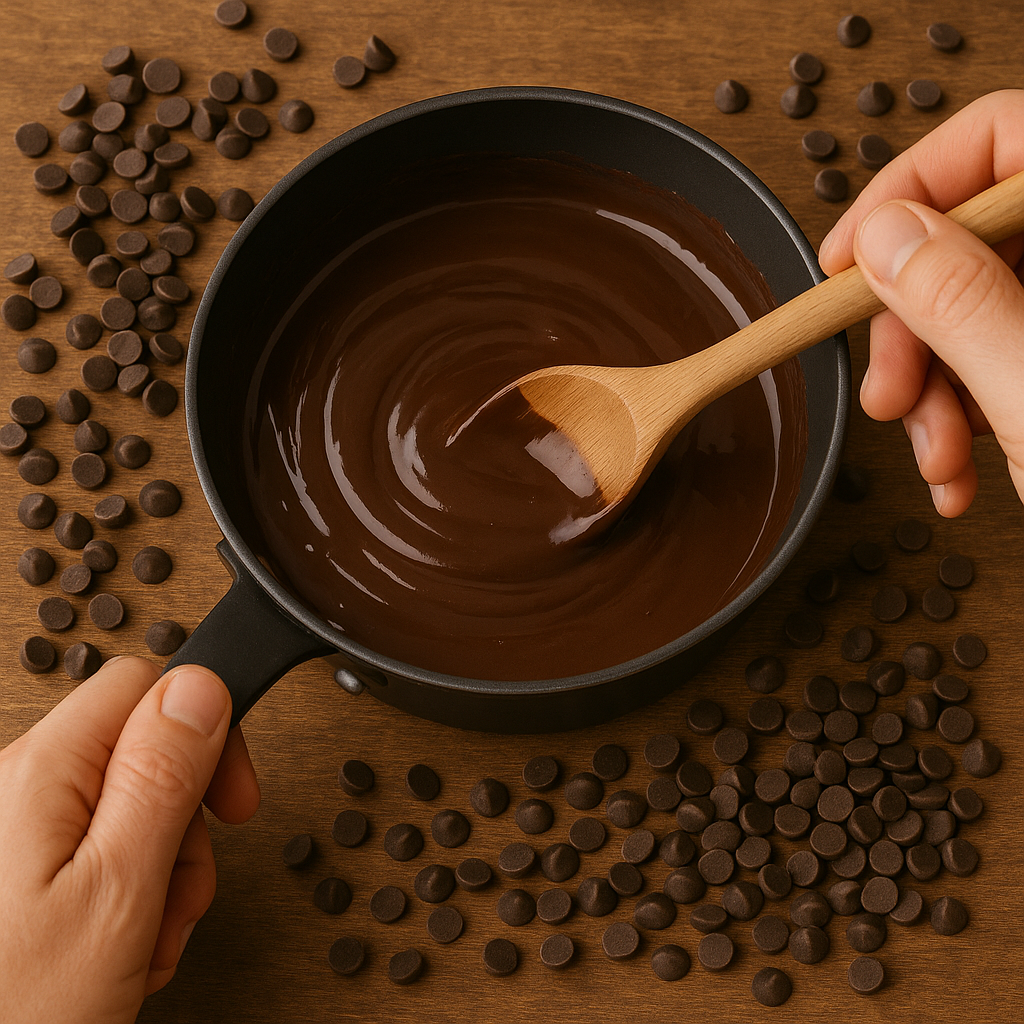
Choosing the right melting chocolate matters for a smooth ganache, a shiny coating or reliable pastry work. Baking chocolate comes in dark, milk and white varieties, and is sold as bars, drops and couverture. We explain what to look for, how to melt it without scorching and how to choose a suitable product for home or professional use.
Índice de Contenidos
- 1 Which chocolate is best for melting?
- 2 Chocolate drops versus bars
- 3 What makes couverture chocolate different?
- 4 How to melt chocolate over a bain-marie
- 5 How to melt chocolate in the microwave
- 6 Tempering chocolate for a shiny finish
- 7 Chocolate for churros versus pastry couverture
- 8 How to buy melting chocolate online
- 9 Frequently asked questions
Which chocolate is best for melting?
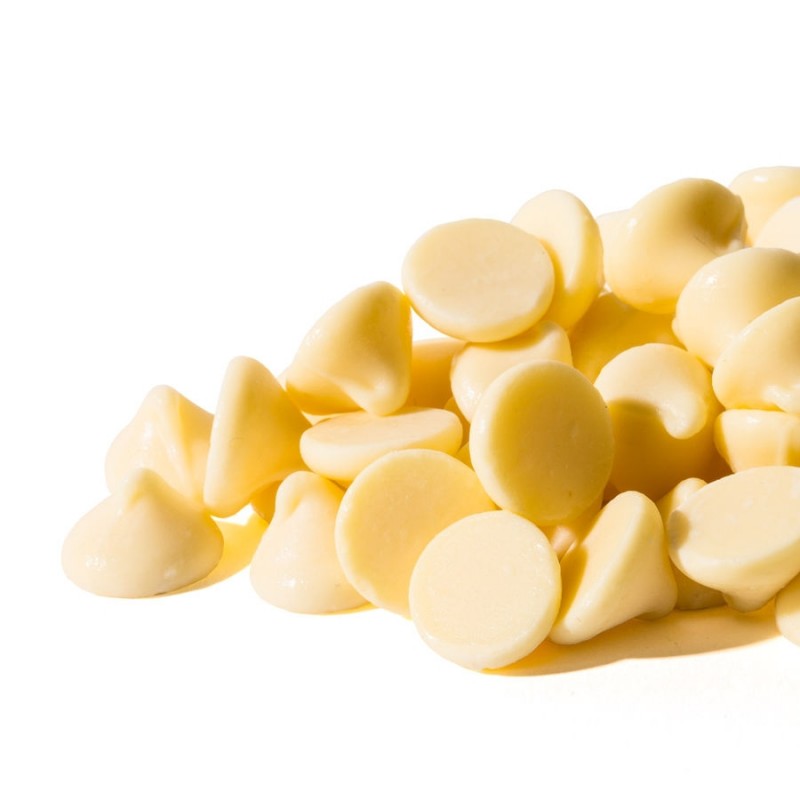
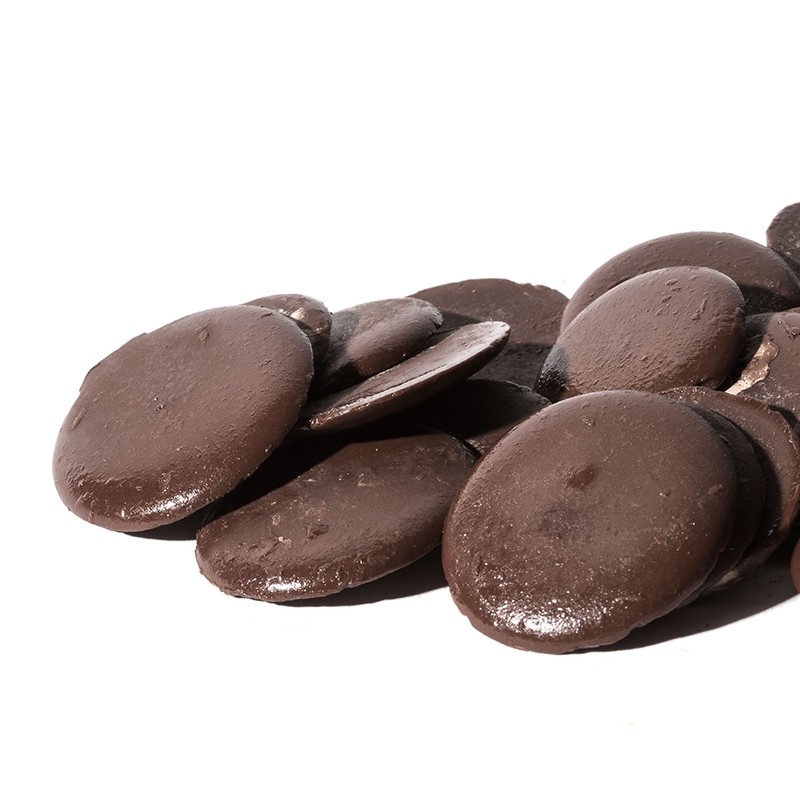
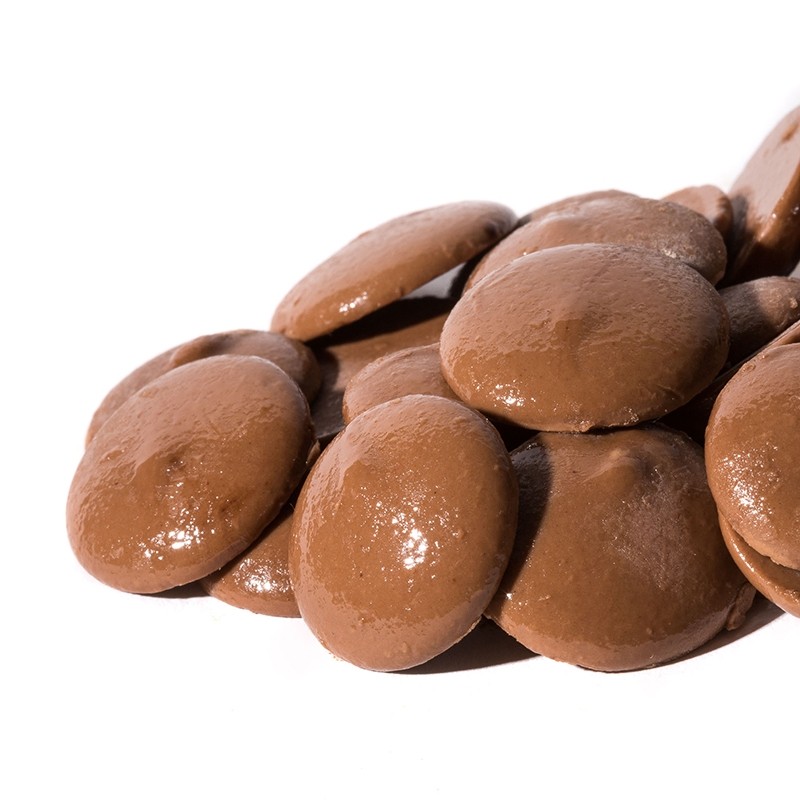
Dark couverture provides a strong cocoa flavour and is ideal for ganaches and coatings. Milk chocolate is sweeter and contains dairy, while white chocolate brings cocoa butter, milk and sugar without non-fat cocoa solids. Choose the recipe and flavour before deciding on the type.
Chocolate drops versus bars
Drops or small pieces melt relatively evenly because of their size. Bars also work if chopped into similar-sized pieces. Products labelled as chips for baking may be formulated to retain their shape, so check whether they are suitable for coating and melting.
What makes couverture chocolate different?
Couverture is generally formulated with a significant amount of cocoa butter to make it fluid for coating and moulding. Different products have different viscosities and cocoa percentages. Consult the producer’s technical information instead of assuming that the highest cocoa percentage melts best.
How to melt chocolate over a bain-marie
Place chopped chocolate in a heatproof, completely dry bowl above gently simmering water. Do not allow the base of the bowl to touch the water. Stir slowly and remove from the heat before all the pieces have melted, using residual warmth to finish.
How to melt chocolate in the microwave
Use a microwave-safe dry bowl and heat in short bursts at a moderate power setting, stirring thoroughly between intervals. White chocolate is particularly sensitive to overheating. Never add water accidentally; even a little moisture can make melted chocolate seize.
Tempering chocolate for a shiny finish
If you want crisp shells or shiny bars, chocolate may need tempering to form stable cocoa butter crystals. The correct temperature curve depends on the chocolate formulation. For a ganache that will be mixed with cream, tempering generally is not necessary.
Chocolate for churros versus pastry couverture
Spanish drinking chocolate for churros is normally a different preparation from fluid couverture used for coatings. Drinking blends may contain thickening agents and require milk or water. Use products designed for the application.
How to buy melting chocolate online
Check the ingredient list, cocoa content, cocoa butter percentage, allergen warnings, pack size and shipping conditions. Professionals may prefer larger packs, while smaller drops or bars suit occasional home baking.
Frequently asked questions
Can I melt ordinary chocolate bars?
Yes, provided the chocolate is appropriate for the intended use. Chop evenly and melt gently.
Is white chocolate really chocolate?
Yes, when it meets the applicable composition requirements, including cocoa butter and milk solids.
How do I prevent chocolate from burning?
Use gentle heat, short intervals and a dry bowl; stir frequently.